
Gorse & Rush shares practical, down-to-earth guidance on uk countryside walks and wildlife for readers across the UK.
- 0123456789
- Angle Bd Abdelmoumen & rue soumaya, Résidence
- [email protected]
Gorse & Rush shares practical, down-to-earth guidance on uk countryside walks and wildlife for readers across the UK.
 By Sophie Bramble
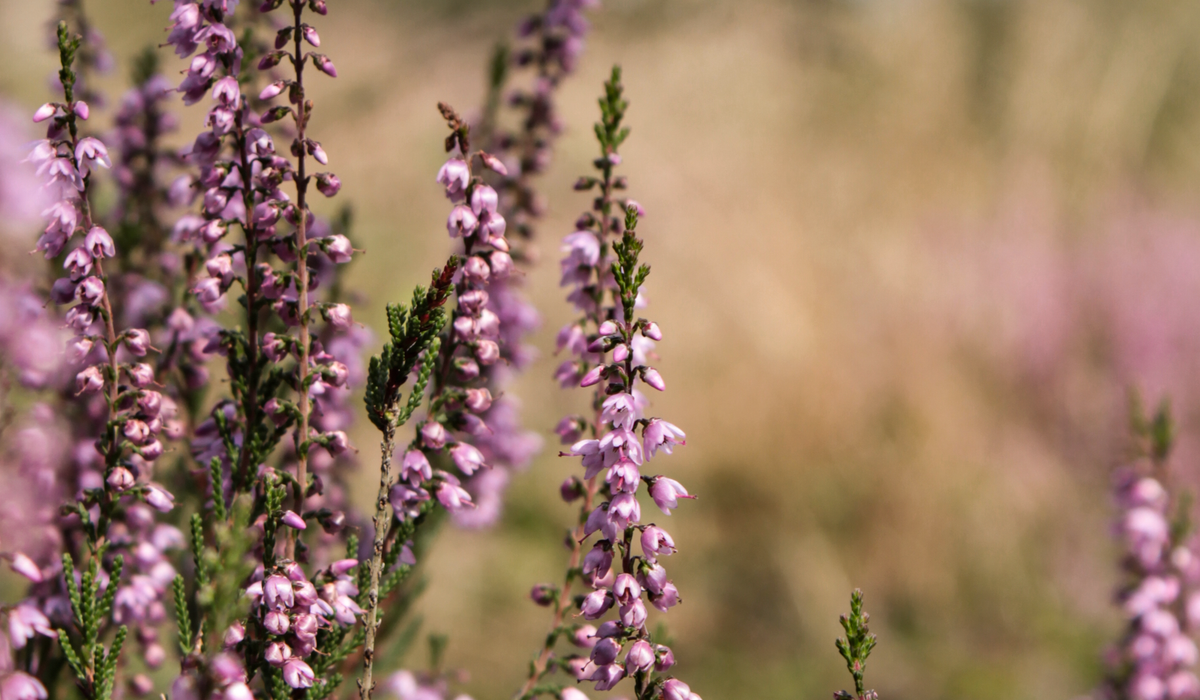
It is easy to assume that helping wildlife requires a half-acre plot, a wildflower meadow and a pond the size of a tennis court. In reality, the opposite is often true. Britain's gardens cover a larger area than all our national nature reserves combined, and a surprising amount of that space is tiny — courtyards, balconies, window ledges and the strip of paving outside a front door. When you string thousands of these small patches together, they form a network of stepping stones that bees, butterflies, hoverflies and hedgehogs can actually use.
The trick is to think like a pollinator. A bee leaving its nest needs food within a few hundred metres, a drink, and somewhere safe to shelter when the weather turns. Provide those three things, even in a space no bigger than a dining table, and you have built a genuine habitat.
The most common mistake in small gardens is waiting until you have the perfect design. You do not need one. A single terracotta pot planted with something nectar-rich is more valuable than a beautifully drawn scheme that never gets planted.
Containers have one enormous advantage: you control the soil. Fill them with a peat-free, loam-based compost and you can grow the plants that chalk-downland or sandy-heath species love, whatever your actual ground conditions. Just remember that pots dry out fast. Group them together so leaves shade each other's compost, and water in the evening rather than at midday.
Aim for a long season rather than a single glorious week in June. Three pots that flower in spring, summer and autumn will feed insects for six months.
Not all flowers are equal. Many highly bred bedding plants have double blooms with so little nectar that a bee will visit once and never return. Choose simple, open flowers and you will see the difference within days.
Plant in generous clumps rather than one of everything. A bee foraging at ground level finds a block of lavender far more efficient than a scattered assortment.
Every creature needs to drink, and a shallow dish is one of the cheapest bits of wildlife kit you can own. Use a saucer or a plant pot base, sink it into the soil of a larger pot or rest it on a sturdy ledge, and fill it with rainwater. Add a few pebbles or a handful of gravel so bees and hoverflies can land safely without drowning.
Refresh it every couple of days in warm weather, and clean it out occasionally — stagnant water breeds mosquitoes and can spread disease to birds. If you have room for something larger, a half-barrel with a submerged oxygenating plant and a stone ramp for hedgehogs will draw in damselflies and frogs within a season.
Food gets all the attention, but nesting and overwintering sites are just as scarce in towns. The good news is that the untidiest corners are the most valuable.
What you do not do matters as much as what you plant. A few simple changes will multiply the life in your space.
Skip the pesticides entirely. Aphids are the food supply for ladybird larvae and blue tit chicks; a healthy garden has some damage, and that is a sign of life rather than failure. Use a mulch of leaf mould or compost instead of weedkiller, and hand-pick the few pests that genuinely threaten your plants.
Leave a little water out in dry spells, and if you have a window box, plant it densely — bare compost loses moisture and offers nothing to wildlife. Finally, be patient. A new pot of lavender may take a season to establish, but once it does, the hum of activity on a warm July afternoon will tell you that your tiny patch is doing real work.
Small spaces are not a compromise. They are one more link in a chain that runs from your balcony to the wider countryside, and the bees do not care whether the garden is grand or modest — only whether the flowers are there when they arrive.


We are not gonna make spamming
