
Gorse & Rush shares practical, down-to-earth guidance on uk countryside walks and wildlife for readers across the UK.
- 0123456789
- Angle Bd Abdelmoumen & rue soumaya, Résidence
- [email protected]
Gorse & Rush shares practical, down-to-earth guidance on uk countryside walks and wildlife for readers across the UK.
 By James Whitcombe
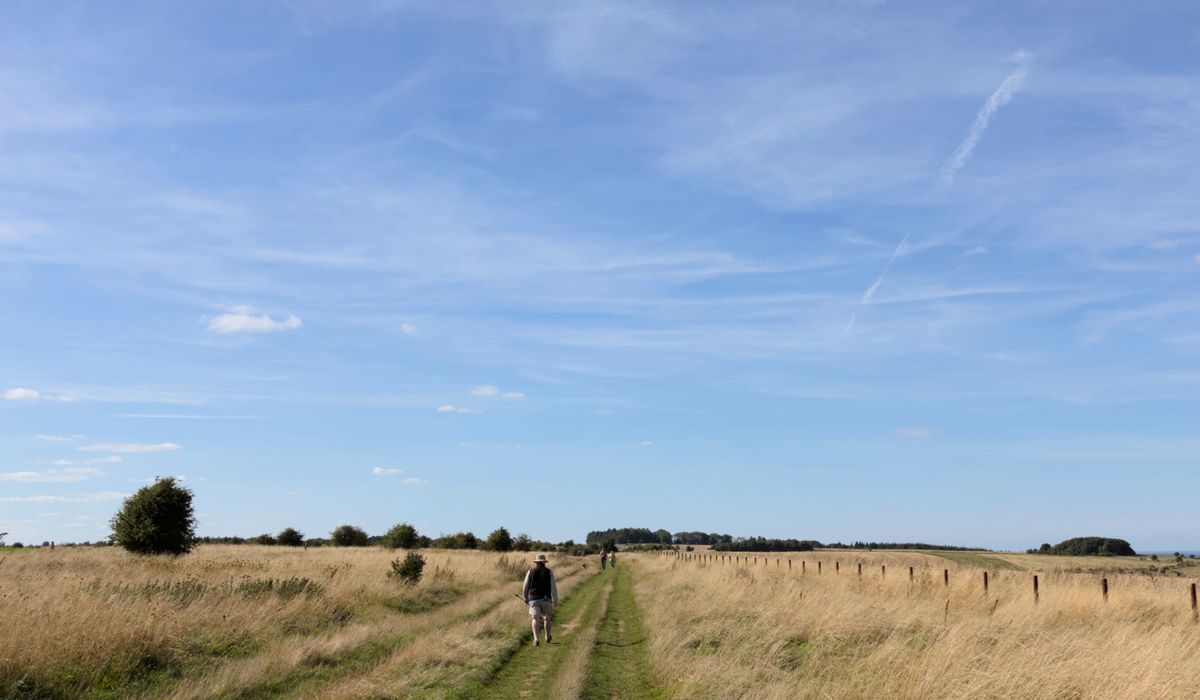
British weather has a well-earned reputation for changing its mind mid-walk. A bright morning in the Peak District can turn into a damp, blustery afternoon without much warning, and mobile signal in a remote valley is rarely reliable enough to check an app. The good news is that the countryside itself is constantly broadcasting clues. Learn to read them and you'll make better decisions about what to pack, which route to take, and when to turn back. None of this is guesswork — it's centuries of farming and walking wisdom, and it costs nothing to learn.
Most of our weather arrives from the west or south-west, so get into the habit of glancing in that direction when you step outside. The clouds there will often tell you what's coming over the next few hours.
Watch for clouds that descend and thicken through the morning. A sky that's losing its blue quickly is a clearer warning than any app notification.
Wind is the engine of our weather, and its direction tells you a great deal. In the UK, a south-westerly usually brings mild, moist air off the Atlantic — think drizzle, cloud and changeable conditions. A north-easterly, by contrast, tends to deliver cold, dry air, often with crisp, clear skies in winter and a biting chill on exposed ridges.
Pay attention to shifts. If the wind backs (changes anticlockwise) and strengthens, a frontal system is often approaching. If it veers (changes clockwise) and eases, better weather is usually on the way. On high ground, a sudden strengthening of the wind after a calm spell is a classic sign that rain is close behind.
Practical tip: tie a length of ribbon or thread to your rucksack strap so you can check wind direction and strength without stopping. It sounds daft, but it's genuinely useful.
Wildlife has evolved to sense pressure changes long before we feel them. Learning a few signals can give you an early warning.
None of these is foolproof on its own, but combined with what the sky and wind are doing, they build a surprisingly reliable picture.
Before any long walk, take five minutes to do a proper recce. Stand outside, face west, and note the cloud type, how much sky is covered, and whether the cloud is thickening or breaking. Check the wind direction and whether it's strengthening. Listen for birdsong and watch for livestock behaviour.
Then pack accordingly. If the signs point to rain within a few hours, take full waterproofs rather than a light shower jacket, and consider a shorter, lower-level route. If the wind is forecast to strengthen on exposed ridges, plan a valley route instead. If a warm front is approaching, expect poor visibility on summits and a drop in temperature.
Finally, remember that British weather rewards humility. Even the most seasoned fell walker gets caught out occasionally. The point isn't to predict with certainty — it's to notice the warning signs early enough to make a sensible call. A quick look at the sky, a feel for the wind, and a glance at the wildlife will serve you better than any signal-dependent gadget.


We are not gonna make spamming
