
Gorse & Rush shares practical, down-to-earth guidance on uk countryside walks and wildlife for readers across the UK.
- 0123456789
- Angle Bd Abdelmoumen & rue soumaya, Résidence
- [email protected]
Gorse & Rush shares practical, down-to-earth guidance on uk countryside walks and wildlife for readers across the UK.
 By James Whitcombe
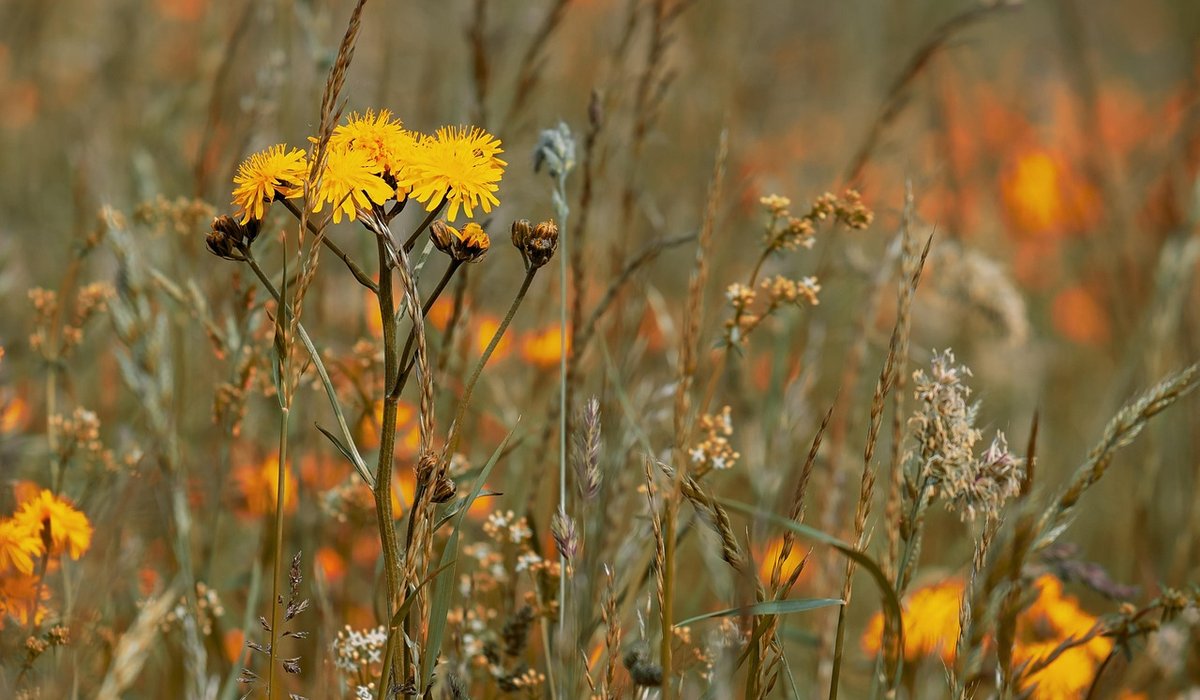
Hedgerows are the stitching of the British countryside. They run beside footpaths, lane verges and field edges, and they are far more than a line of scrub. A good hedge is a living wall: a place to nest, feed, shelter and travel. On a walk, learning to read a hedgerow turns an ordinary mile into a wildlife detective story.
For wildlife, hedgerows act as corridors. They connect woods, meadows, ponds and gardens, allowing birds, bats, insects and small mammals to move without crossing open ground where they are exposed. A hedge also offers layers: tussocky grass at the base, tangled stems in the middle, and a flowering, fruiting canopy above. That structure creates countless microhabitats.
Many of our most familiar farmland birds depend on them. Yellowhammers sing from the topmost twigs, whitethroats nest low in brambles, and linnets feed on seeds along the margin. Bats commute along hedgerow lines after dusk, using them as dark flyways between roosts and feeding grounds. In winter, berries and hips keep thrushes, redwings and fieldfares going through hard frosts.
Not every hedge is equal. A neatly flailed rectangle, trimmed to the same height every year, has far less value than a taller, thicker, species-rich hedge with a rough base. Look for these signs:
On a slow walk, you can tune into the hedge's residents and visitors. Some are obvious; others leave clues.
Spring brings blackthorn blossom first, often before the leaves, then hawthorn's froth of white. Nesting begins in earnest. Summer is for insects: bramble flowers buzz with bees, and honeysuckle scents the lane at dusk. Autumn is the harvest: haws, sloes, hips, elderberries and hazelnuts feed migrating and resident birds. Winter reveals the hedge's bones. Look for old nests, nibbled nuts, tracks in frost and the tiny eggs of brown hairstreak butterflies. Ivy berries, ripening late, are a vital cold-weather larder.
You do not need to be an ecologist to notice more. Walk slowly, pause at gaps and listen. A few practical habits will sharpen your eye:
Hedgerows are working habitats, not museum pieces. Traditional management such as hedge-laying rejuvenates them, creating a dense, living barrier that lasts for decades. Where trimming is necessary, cutting on a three-year rotation, and never in the main nesting season, gives wildlife a chance. Leaving a rough grassy margin beside the hedge provides tussocky cover for overwintering insects and small mammals.
As a walker, you can help simply by respecting the hedge. Keep dogs from diving into nesty bases in spring, take litter home, and avoid widening gaps at field entrances. If you notice a particularly fine hedge, enjoy it slowly. A hedgerow in good heart is one of the most generous habitats we have: food, shelter, travel route and hunting ground all in one long, tangled line.


We are not gonna make spamming
