
Gorse & Rush shares practical, down-to-earth guidance on uk countryside walks and wildlife for readers across the UK.
- 0123456789
- Angle Bd Abdelmoumen & rue soumaya, Résidence
- [email protected]
Gorse & Rush shares practical, down-to-earth guidance on uk countryside walks and wildlife for readers across the UK.
 By Emily Hartley
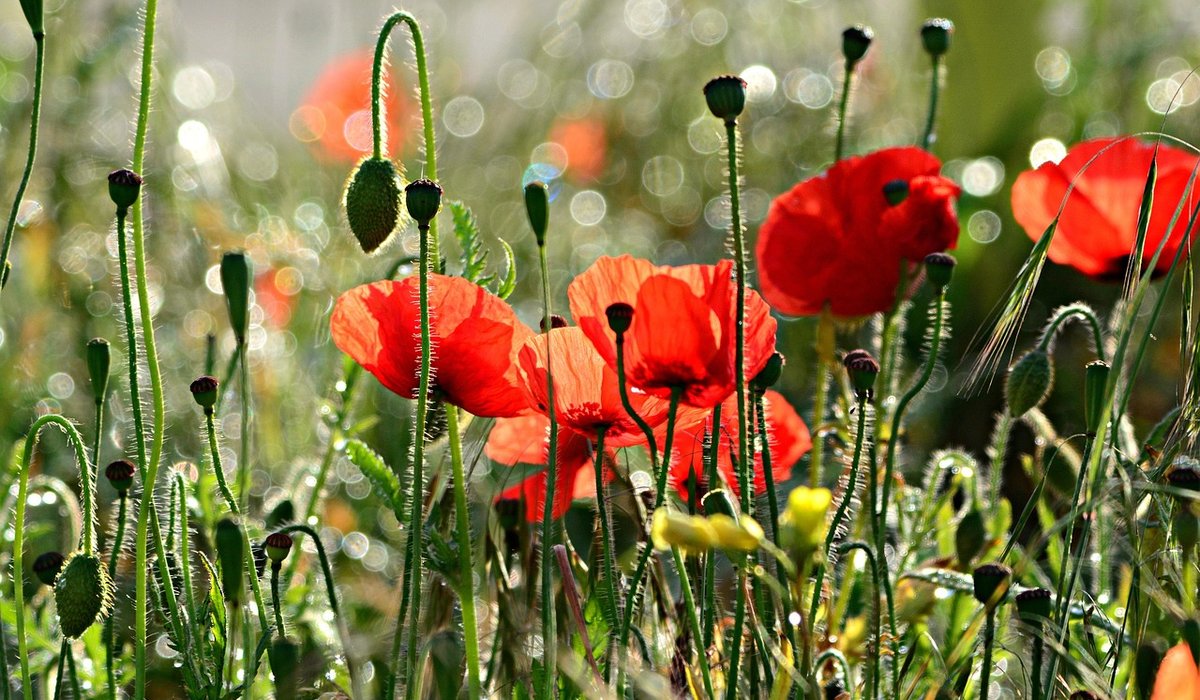
When the first genuinely warm days arrive, our gardens and green spaces become a lifeline. Queen bumblebees emerge from hibernation with a single job: find nectar and pollen quickly enough to establish a new colony. Solitary bees are stirring in their underground nests, and the first butterflies — brimstones, peacocks, small tortoiseshells — are on the wing, often running on empty after a long winter.
The trouble is that early spring is a lean season. Many garden plants are only just waking up, and in the wider countryside hedgerows and field margins have been cut back hard. Every flower you can offer in March, April and May matters far more than you might imagine, and you need neither a large garden nor any particular expertise to help. A windowsill, a hanging basket or a strip of grass left alone all count.
Pollinators are creatures of habit. They evolved alongside our native wildflowers, so they recognise those shapes and scents far more readily than they do the flouncy bedding plants on offer at the garden centre. Where you have a choice, go native and go single-flowered — open, simple blooms give bees and butterflies easy access to nectar and pollen, while double flowers often hide it behind layers of petals.
Good spring and early summer performers include:
Plant in generous clumps rather than single specimens. Bees are efficient foragers and will return again and again to a patch they know, so a metre of one flower beats a scattering of ten different ones.
It feels counterintuitive, but the humble dandelion is one of the finest spring resources we have. Its flowers open early, last well and produce both nectar and pollen in quantity at exactly the moment bumblebee queens need them most. Daisies, buttercups, clover and selfheal do similar work, and all of them will appear on their own if you simply stop interfering.
If you can, join the growing number of households who leave the mower in the shed until late May. If a fully untouched lawn is unrealistic — children, dogs, neighbours — then compromise:
The scruffier lawn is rarely the ugliest one on the street. Give it a season and you may find it is the busiest.
Bees need water, particularly in spring when they are building nests and regulating the temperature of developing brood. What they cannot manage is a deep, steep-sided pond or a slippery ceramic bowl. They drown easily.
The fix takes five minutes. Fill a shallow saucer, tray or old dish with water and add a handful of pebbles, marbles or small stones that break the surface. Bees and butterflies land on the dry perches and drink safely. Top it up every few days, and if you can, site it near your flower borders so insects do not have to travel far.
Butterflies also gather at damp soil and mud to take up minerals, so leaving a patch of bare, moist ground — or a shallow tray of soil kept damp — is a quiet bonus. Mason bees, meanwhile, collect mud to seal their nest cells, so a little untidiness around the edges pays dividends.
Flowers feed pollinators; shelter and nesting sites let them stay. Around two-thirds of our solitary bee species nest underground, in bare or sparsely vegetated ground, so a small patch of exposed, undisturbed earth in a sunny, south-facing spot is genuinely valuable. Resist the urge to dig it over.
Other simple additions include:
Gardening for pollinators is less about grand gestures than about accumulated small decisions. Choose peat-free compost, avoid insecticides entirely — even organic ones can harm bees — and let a few aphids live, since they feed the ladybirds and hoverflies that will sort the problem for you. When you plant up pots, add a few herbs among the ornamentals, and let a couple of plants run to seed.
As the season turns, keep the momentum going with night-scented flowers for moths, which pollinate far more than they are given credit for. Most of all, be patient. A garden allowed to be a little wild will take a season or two to find its rhythm, but once it does, the hum above your borders in spring is its own reward.


We are not gonna make spamming
