
Gorse & Rush shares practical, down-to-earth guidance on uk countryside walks and wildlife for readers across the UK.
- 0123456789
- Angle Bd Abdelmoumen & rue soumaya, Résidence
- [email protected]
Gorse & Rush shares practical, down-to-earth guidance on uk countryside walks and wildlife for readers across the UK.
 By Oliver Pemberton
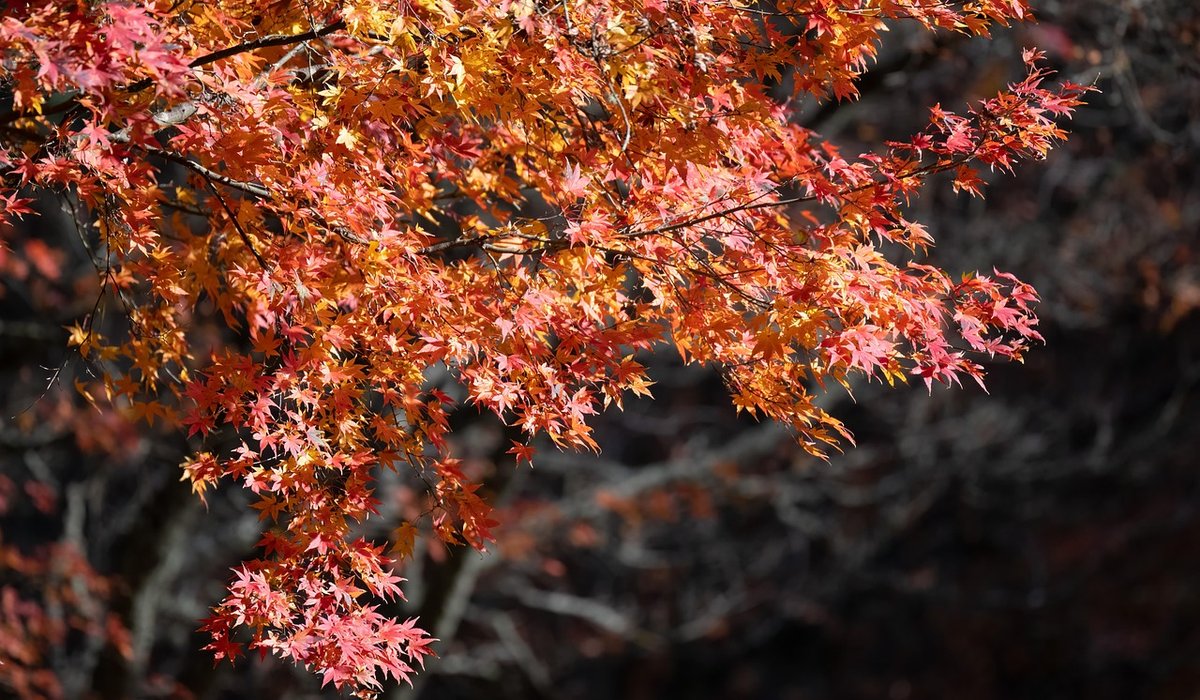
There are few finer things in life than a long walk with a happy dog — the smell of wet bracken, a thermos in the rucksack and a spaniel crashing through the last of the autumn leaves. But the places we love walking through are not just scenery. They are working landscapes, and they are homes: fields are somebody's livelihood, hedgerows are motorways for small mammals, and a patch of rough grass can be a nursery for birds that have travelled thousands of miles to nest there.
In England and Wales, the Countryside Code asks that you keep your dog under effective control; in Scotland, the Scottish Outdoor Access Code says much the same. "Under control" means you can recall your dog before something happens, not after. If your recall is patchy, a lead — or a long line on open ground — is not a punishment, it's simply good manners. Around other people, livestock and wildlife, the safest default is a short lead and a cheerful, calm voice.
Almost every difficult encounter between a dog and a farm animal begins the same way: the dog is off the lead and the animals are already anxious. Sheep in particular are easily panicked by a dog, even one that is only running about and has no interest in chasing. A chased ewe can abort or injure herself on fencing, and worrying livestock is a serious offence — so if there is any doubt at all, the lead goes on.
If livestock follow or crowd you, leave the field by the nearest gate and take a different route. Nobody's walk is worth a vet bill — or a farmer's morning ruined.
Between roughly March and August, many of our most special birds — curlew, lapwing, skylark, meadow pipit, ringed plover, oystercatcher — nest on the ground in heathland, moorland, dunes, rough pasture and even on bare field edges. Their eggs and chicks are beautifully camouflaged, and a dog running ahead can flush an incubating bird in seconds, leaving eggs exposed to cold and predators. The bird may not come back.
Stay on paths, keep the lead on where signs ask, and avoid walking the margins of long grass and scrub. The same restraint protects adders basking on sunny path edges, deer with young in woodland, and waterbirds with ducklings and cygnets on the water. In spring and early summer, avoid letting your dog swim into reedbeds and shallows, and stay out of any fenced or marked-off area, however tempting the shortcut looks. A little distance is all it takes.
Pick it up, every time, even in the middle of nowhere. Dog faeces can carry Neospora caninum, a parasite linked to abortion in cattle, and it adds nutrients to fragile habitats where wildflowers and insects thrive on poor soils. Beyond that, leaving it behind is simply unpleasant for the next person over the stile.
Close every gate behind you unless a sign specifically asks you to leave it open — stock can wander onto roads in minutes. Use the dog gates and stiles where they exist, and lift smaller dogs through rather than letting them scramble over wire or stone. On public rights of way, stay on the line of the path across growing crops and keep to the field edge where the route allows.
Read the notices at car parks and reserve entrances. They may ask for leads at all times, a seasonal closure for nesting, or a temporary diversion. These aren't killjoys' rules; they are often the only thing protecting a single pair of rare birds, or keeping a herd calm during lambing.
Ticks lurk in long grass and bracken and should be removed promptly from ears, armpits and the groin. Adders bite if stood on, usually on warm days on heathland paths. In summer, blue-green algae in still water can be fatal to dogs, so keep them out of suspicious green or pea-soup ponds. Winter brings grit and salt on paws, thin ice and hard frozen ground.
Walk early or late in hot weather, carry water, and never leave a dog in a parked car. With a lead, a bag, a bit of observation and a good recall, you and your dog can enjoy the countryside all year — and leave it exactly as you found it, for the curlews, the farmers and the next muddy-pawed visitor.


We are not gonna make spamming
