
Gorse & Rush shares practical, down-to-earth guidance on uk countryside walks and wildlife for readers across the UK.
- 0123456789
- Angle Bd Abdelmoumen & rue soumaya, Résidence
- [email protected]
Gorse & Rush shares practical, down-to-earth guidance on uk countryside walks and wildlife for readers across the UK.
 By Sophie Bramble
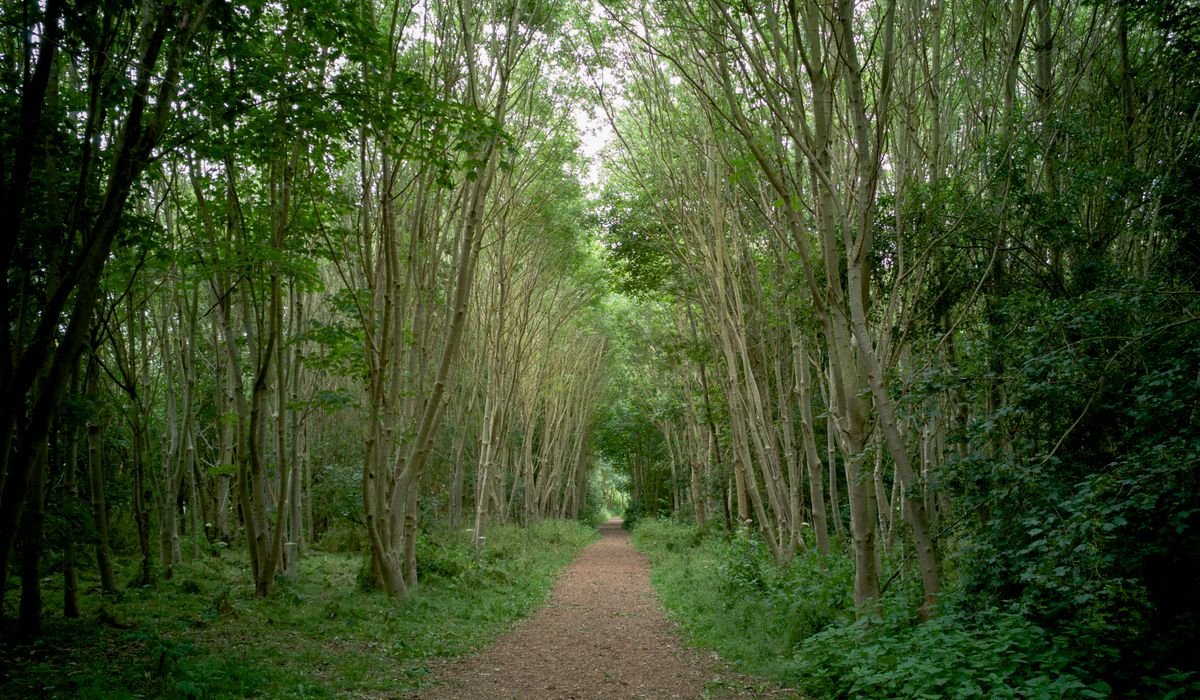
There is a particular shade of blue that only exists for a few weeks each spring, and it is worth planning your year around. Between mid-April and late May, depending on where you are in the country, the floor of an old wood can turn from bare brown earth to a shimmering haze of violet-blue. It is one of the great spectacles of the British countryside, and it happens almost exclusively in woodland that has been continuously wooded for centuries.
These are known as ancient woodlands. In England and Wales, that generally means a site that has been wooded since at least 1600; in Scotland, the cut-off is usually 1750. The date matters because it tells us the wood was never cleared for farming, and that continuity has allowed a whole community of plants and animals to establish itself. Native bluebells are slow to spread. A colony can take decades to creep across a few metres of ground, so a dense carpet is a sign of real age.
It is also worth knowing what you are looking at. The native bluebell (Hyacinthoides non-scripta) is a deep, rich blue with narrow leaves and flowers hanging mostly to one side of the stem, giving it a graceful droop. It is also strongly scented, sweet and slightly honeyed. The Spanish bluebell, common in gardens, is paler, more upright, has broader leaves and barely any scent. Hybrids between the two are increasingly common, which is one more reason to leave wild plants exactly where they are.
Bluebells are temperature-sensitive, so the season rolls northwards and uphill as spring advances. As a rough guide:
The single best indicator is the tree canopy. Bluebells evolved to flower in the narrow window between the soil warming up and the leaves above closing over. When the beech or oak canopy is about half open, with dappled light still reaching the ground, you are usually at peak. By the time the wood is in full leaf, the display is fading.
Go early in the day if you can. The scent is strongest in the morning, the light is softer for photographs, and you will have the place largely to yourself. Avoid the middle of a sunny bank holiday afternoon, when popular woods can feel busier than a shopping centre.
A bluebell wood in full flow is never just about one flower. Look around and you will find the whole spring community stirring at once.
The presence of indicator species like wood anemone, dog's mercury, wood sorrel and wild service tree is one of the ways ecologists identify a wood as genuinely ancient. If you spot several of these together, you are almost certainly standing in one.
This is the part that matters most. A bluebell bulb takes years to reach flowering size, and a single misplaced boot can destroy decades of growth. The plants also regenerate poorly from seed in most conditions, so damage is not quickly repaired.
Wear proper boots, because ancient woodland soils are often heavy clay and stay muddy well into May. Take a light waterproof, a flask and a hand lens if you have one. Binoculars turn a pleasant walk into a proper wildlife outing, especially for watching warblers in the canopy.
If you can, visit the same wood twice in one season, a fortnight apart. The first trip will catch the anemones and the first blue spikes; the second will show you the full carpet and the canopy beginning to close. It is a small commitment that turns a nice afternoon into something you remember all year.
Above all, take your time. Stand still for five minutes in the middle of a bluebell wood in early May, with the scent rising and the wood warbler singing somewhere above you, and you will understand why these places have been protected for centuries. They are not just pretty. They are irreplaceable, and they are ours to look after.


We are not gonna make spamming
