
Gorse & Rush shares practical, down-to-earth guidance on uk countryside walks and wildlife for readers across the UK.
- 0123456789
- Angle Bd Abdelmoumen & rue soumaya, Résidence
- [email protected]
Gorse & Rush shares practical, down-to-earth guidance on uk countryside walks and wildlife for readers across the UK.
 By Sophie Bramble
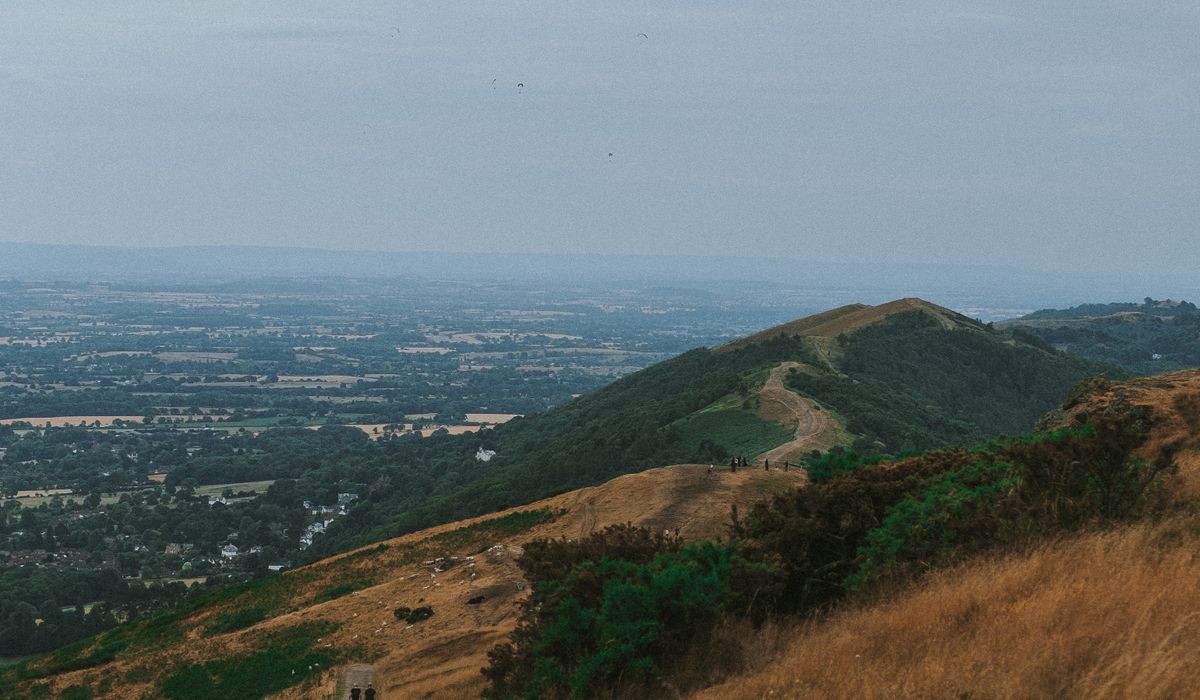
There is a particular moment on a country footpath, usually about ten minutes in, when the shoulders drop. The traffic noise fades behind a hedge, the path narrows to a ribbon of mud and grass, and your breathing settles into step with your feet. That feeling is not just pleasant — it is doing you measurable good.
Public health guidance in the UK suggests adults aim for around 150 minutes of moderate activity each week. That sounds like a lot until you break it down: five half-hour walks, or a couple of longer rambles at the weekend. Brisk walking counts. So does a slower amble up a hill, because the gradient does the work for you. Regular walking helps lower blood pressure, improves sleep, and supports mood and concentration.
What makes countryside walking especially rewarding is the combination of movement and surroundings. A path that leads somewhere — a view, a wood, a river bend — gives you something to walk towards, and that little bit of purpose is often what keeps people going when the gym membership has quietly lapsed.
You do not need a free afternoon and a national park. Most of the benefits come from short, regular walks woven into ordinary days. A brisk pace covers roughly a mile in twenty minutes, so a two-mile loop before work or after tea gives you most of your daily target.
Look at an Ordnance Survey map of your area and you will almost certainly find a web of public footpaths you have never noticed. Yellow dashed lines, stiles and waymarker arrows are your invitation. Many begin within a ten-minute walk of a residential street.
Wildlife rewards the quiet and the patient. The best hours are early — the first hour or two after sunrise, when birds are feeding hard and the paths are empty.
Learn a handful of sounds and a whole new layer appears. A song thrush repeating each phrase two or three times, a green woodpecker's laughing call, the drumming of a great spotted woodpecker in February — once you can name them, a familiar path never feels quite the same again.
You need very little, but a few items make the difference between a lovely walk and a miserable one: a waterproof jacket that lives in the car, boots with real grip, a spare layer, water, a charged phone, and a paper map if your route leaves well-marked paths.
Alongside the kit, a few habits keep everyone welcome in the countryside:
Children walk further when the walk has a job. A simple tick-list of things to spot — an acorn, a feather, a bridge, three different birds — turns a plod into a mission. Snacks at the halfway point are not bribery, they are logistics. Puddles and fallen branches are features, not obstacles.
With dogs, choose routes with a mix of open ground and shade, avoid the warmest part of the day in summer, and check for ticks afterwards. For older walkers or anyone returning to exercise, flatter towpaths, disused railway lines and estate tracks offer firm, even surfaces with plenty of benches and easy shortcuts home.
The walks that last are the ones that survive bad weather and busy weeks. Pick one fixed slot — Saturday morning, or Tuesday after work — and treat it as you would any other appointment. Plan the route the night before so you are not deciding when you should already be out of the door. Keep a small bag packed by the entrance with boots, waterproof and dog lead.
Then set your rule: unless it is genuinely unsafe, you go. Drizzle, grey skies and muddy gateways are part of the deal, and a walk in light rain through a dripping wood is one of the most quietly beautiful things the British countryside offers. Start with twenty minutes this week. The path will do the rest.


We are not gonna make spamming
