
Gorse & Rush shares practical, down-to-earth guidance on uk countryside walks and wildlife for readers across the UK.
- 0123456789
- Angle Bd Abdelmoumen & rue soumaya, Résidence
- [email protected]
Gorse & Rush shares practical, down-to-earth guidance on uk countryside walks and wildlife for readers across the UK.
 By Emily Hartley
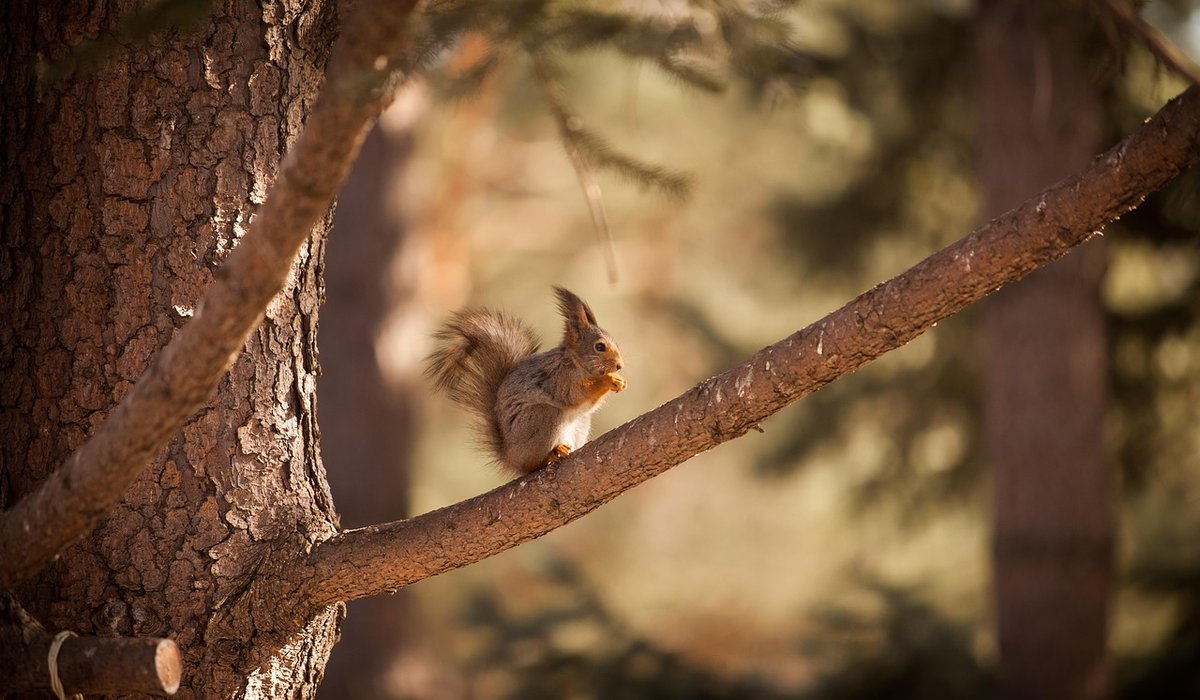
The perfect shot of a kingfisher or a basking adder is a thrill. But the best nature photographers know that the image is never worth more than the subject's welfare. In the UK, our wildlife faces pressures from habitat loss, climate change and disturbance. As a beginner, you can make a real difference by putting ethics first. This means never baiting wildlife, never trampling rare plants, and never sharing nest locations. Many UK species are protected under the Wildlife and Countryside Act 1981; disturbing them can be a criminal offence. Ethical photography is not about restriction; it is about respect.
Baiting is the practice of luring wildlife with food to get a close-up. It is widespread and often harmful. For example, some photographers bait owls with live mice or day-old chicks. This can habituate owls to humans, make them dependent on artificial food, and expose them to disease. In the UK, it is illegal to disturb certain protected species, and baiting can constitute disturbance. Even feeding garden birds requires care: avoid bread, keep feeders clean, and never feed mammals like deer, foxes or badgers. If you want a close-up, invest in a telephoto lens and learn fieldcraft instead. A 300mm lens and patience will get you better, more natural images than any bait.
UK countryside is home to rare plants like orchids, sundews, and alpine flowers. These can be destroyed by a single footstep. When photographing plants, stick to paths and boardwalks. Never lie down in a wildflower meadow to get a low angle; you may crush rare species and their supporting habitat. Use a macro lens or a smartphone with a close-up mode, and kneel on a mat or a rock if you must get low. Many rare plant sites are protected as Sites of Special Scientific Interest (SSSIs). Trampling there is not just unethical; it is illegal. Take only photographs, leave only footprints – and ideally, leave no footprints at all on sensitive ground.
Spring and summer are prime nesting times. Disturbing a nest can cause parents to abandon eggs or chicks, or attract predators. For birds listed on Schedule 1 of the Wildlife and Countryside Act, it is an offence to intentionally or recklessly disturb them at or near the nest. This includes species like the kingfisher, barn owl, and hen harrier. Never approach a nest closely, never use flash, and never use a drone near nesting sites. Use a hide or a long lens from a safe distance. If you find a nest by accident, back away quietly and do not return. Bats are heavily protected; disturbing a roost is a criminal offence. Observe from afar and put the subject's need for security first.
Social media has made it easy to share beautiful images, but it can also lead to crowds. A rare orchid or a nesting site can be trampled or disturbed by hundreds of visitors within days. Before you post, ask yourself: could this location be harmed by increased attention? For sensitive species, avoid geotagging. Instead, share a general area, or keep the exact spot private. If you run a photography group or blog, set an example by not naming specific nest sites or rare plant locations. This is not about secrecy for its own sake; it is about protecting the wildlife that gave you the image. If you see others sharing sensitive locations, politely explain why it is a problem.
Good ethics go hand in hand with good fieldcraft. Here are some practical habits to adopt:
Ethical photography is a skill that grows with practice. Start with common species in your local park or garden. Learn their routines. Build your fieldcraft. Then, when you do encounter a rare subject, you will be ready to capture it responsibly. By following these principles, you will not only take better photographs; you will help protect the UK's precious wildlife for future generations.


We are not gonna make spamming
