
Gorse & Rush shares practical, down-to-earth guidance on uk countryside walks and wildlife for readers across the UK.
- 0123456789
- Angle Bd Abdelmoumen & rue soumaya, Résidence
- [email protected]
Gorse & Rush shares practical, down-to-earth guidance on uk countryside walks and wildlife for readers across the UK.
 By Sophie Bramble
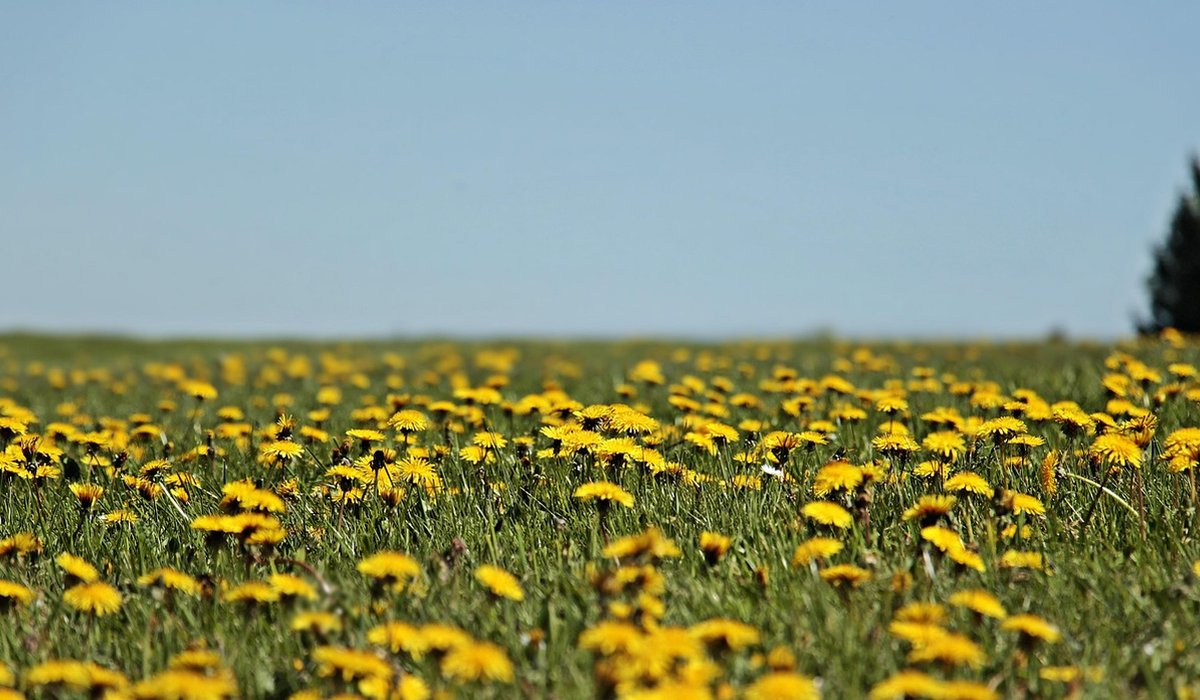
The British countryside can look tough enough to shrug off anything. It isn't. Much of it is a fragile patchwork of habitats, shaped by centuries of farming and now squeezed into ever-smaller corners. One careless boot on a skylark's nest, or a dog off the lead in a lambing field, can undo years of quiet recovery. The opposite is also true: thousands of walkers doing small, sensible things add up to real protection, and it costs nothing but a little attention.
Footpaths exist because that line can cope with our footsteps. Step off it and the damage starts: grass wears thin, peat tears open, heather is trampled, and the next walker follows your line until a single path has become a braided scar several metres wide. On moorland, bog and chalk downland, that wound can last decades.
Litter is the most obvious trace and the easiest thing to get right. Fruit peel, apple cores and banana skins can take years to rot in cool British conditions, and while they do they attract rats, crows and foxes, changing the behaviour of wildlife that should be feeding naturally.
The best encounters happen when the animal doesn't know you're there. Between March and July, much of the countryside is a nursery: skylarks, curlews, lapwings and meadow pipits nest on the ground, their eggs and chicks almost perfectly camouflaged against soil and stone. They sit tight rather than fly, which is exactly what makes them so vulnerable. A single footstep can crush a brood.
Farmland is a workplace, and the path crossing it depends on goodwill on both sides. Ewes with lambs and cows with calves are protective, and a dog — however friendly — can start a chase that ends badly for everyone involved.
Dry stone walls and scattered stones are habitats in themselves, home to lichens, mosses and countless invertebrates. Moving a few rocks to mark a route disturbs that micro-world and can weaken a wall that took weeks to build by hand.
Leaving no trace isn't about tiptoeing guiltily through the landscape. It's about walking kindly through it — so the skylark still sings over the same field next spring, the path is no wider than it was, and the next walker finds the countryside as good as you did.


We are not gonna make spamming
