
Gorse & Rush shares practical, down-to-earth guidance on uk countryside walks and wildlife for readers across the UK.
- 0123456789
- Angle Bd Abdelmoumen & rue soumaya, Résidence
- [email protected]
Gorse & Rush shares practical, down-to-earth guidance on uk countryside walks and wildlife for readers across the UK.
 By James Whitcombe
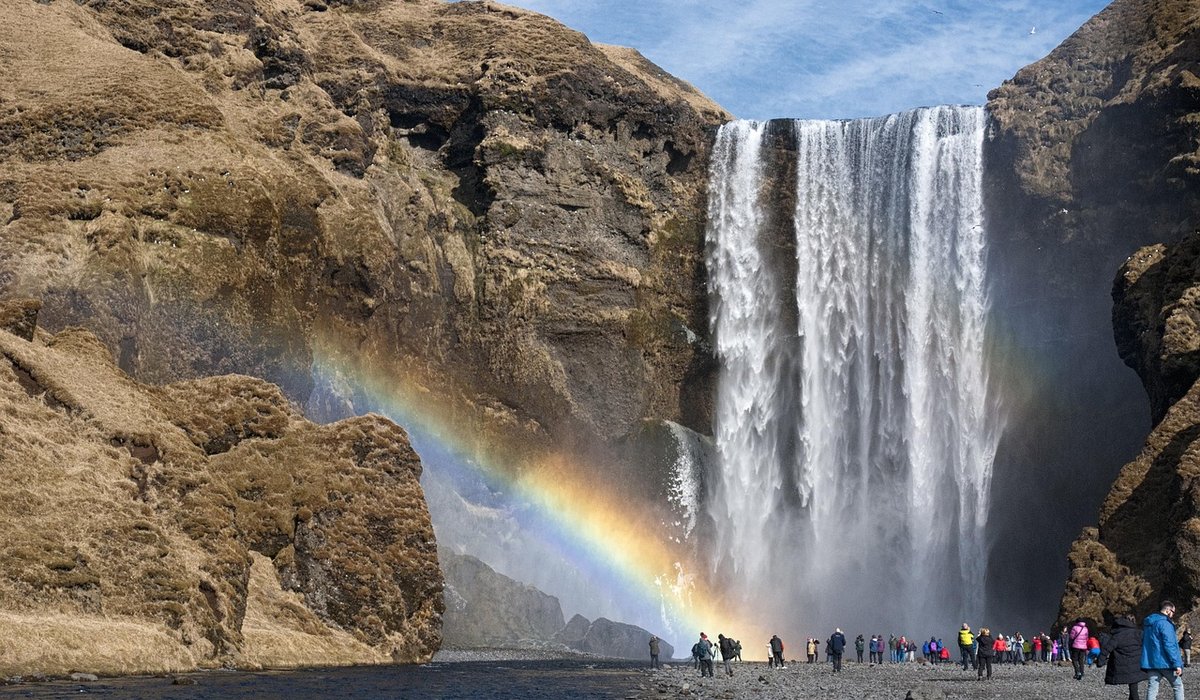
Moorland is one of the last genuinely spacious landscapes left in the UK. Above roughly 250 metres, trees give up, and what remains is a vast patchwork of heather, cotton grass, bilberry and rough grass, stitched together by peat hags and gritstone edges. The sky does most of the work. On a clear day you can watch weather arrive from three valleys away; on a grey one, cloud sits low enough to swallow the path ahead. That openness is exactly why these places matter so much for wildlife — and why they reward a slower, quieter kind of walking.
Late August and September are the classic months. Heather is in full bloom, the hills glow purple, and the worst of the insect season has passed. May and June are arguably better for birdsong and breeding displays, though you must be careful where you tread. Winter brings crisp, empty views and a real sense of remoteness, provided you are confident with a map and compass.
Time of day matters as much as season. Dawn and early morning are best for wildlife: curlew calls carry for miles, mountain hares are still active, and you will likely have the path to yourself. Late afternoon light is wonderful for photography, but birds are more easily flushed then, so keep to established tracks and resist the urge to cut across open ground.
Moorland species are specialists, adapted to wind, wet and cold. A patient walker with binoculars can reasonably hope for:
Ring ouzel, dunlin and twite also occur in places, and all are in long-term decline. Records sent to a local biodiversity records centre genuinely help conservation work.
This is the part that matters most. Curlew, lapwing, golden plover, dunlin, snipe and meadow pipit all nest on or near the ground, with eggs and chicks that are superbly camouflaged and hopelessly vulnerable to a single footstep. The breeding season runs roughly from 1 March to 31 July, and on some upland sites into mid-August. One disturbed nest can mean a lost brood, and many of these species are already struggling.
Moorland weather changes fast and the terrain is harder than it looks from the car park. A few essentials make all the difference:
The Peak District offers accessible edges such as Kinder Scout and the gritstone fringes, with well-signposted routes from Edale. The Yorkshire Dales and North York Moors combine heather with dramatic views and strong wildlife records. Dartmoor and Exmoor are wilder, wetter and quieter, with excellent opportunities for solitude. In Wales, the Berwyn range and Mynydd Epynt reward those who like wide horizons, while in Scotland the Flow Country and the Angus glens hold internationally important breeding birds.
Wherever you choose, walk gently, give wildlife room, and let the quiet do its work.


We are not gonna make spamming
