
Gorse & Rush shares practical, down-to-earth guidance on uk countryside walks and wildlife for readers across the UK.
- 0123456789
- Angle Bd Abdelmoumen & rue soumaya, Résidence
- [email protected]
Gorse & Rush shares practical, down-to-earth guidance on uk countryside walks and wildlife for readers across the UK.
 By Oliver Pemberton
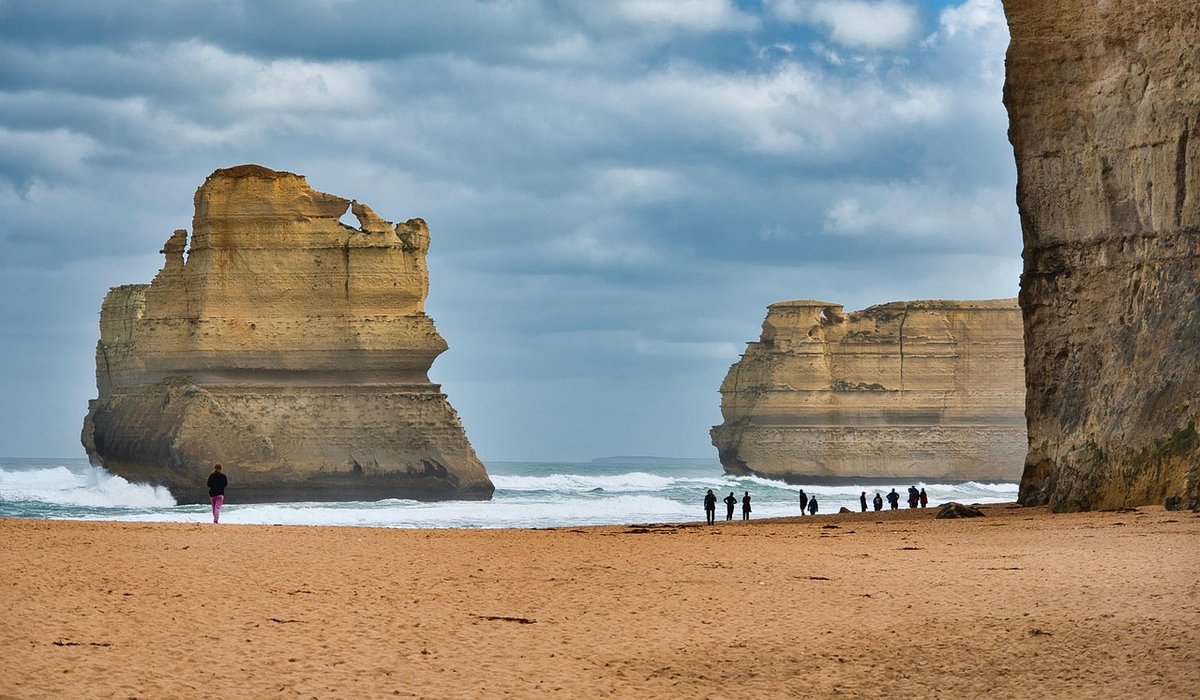
A day walk is forgiving. A long distance footpath is different: a string of days, each built on the last, where small problems — a hot spot, a wet jacket, a missed bus — can grow into trip-ending ones. The UK’s great trails, from the South West Coast Path to the Pennine Way, are varied, but they share one truth: preparation removes avoidable discomfort so you can enjoy the miles, the wildlife and the satisfaction of arriving under your own steam. The best walkers are not the fittest; they plan, adapt and look after themselves.
Your feet are your transport, so treat them with respect. Boots or walking shoes should be worn in long before you start. If they are new, wear them on short walks, in wet grass, up and down hills, and with the socks you intend to use. Aim for at least 30 to 50 miles of gentle use before a long trail. Socks matter as much as footwear: merino wool or synthetic blends wick moisture, while cotton stays damp and invites blisters.
Keep toenails short. Stop at the first sign of a hot spot, before it becomes a blister. A small foot kit — zinc oxide tape, blister plasters, antiseptic wipe — weighs almost nothing. At the end of each walk, air your feet, dry your boots slowly, and change socks. If you feel a rub, adjust your lacing; a heel lock can stop your foot sliding forward on descents.
Do not simply divide total mileage by days. A flat canal towpath and a rocky coastal path are different animals. Contour lines, bogs, endless stiles, road sections and steep descents slow you down. As a rough guide, 12 to 16 miles is a comfortable day on gentle lowland terrain, while 8 to 12 miles may be plenty in hills. Start with shorter days and build up.
Plan escape routes. Long trails often pass through villages with a pub, a bus stop or a railway station, and knowing where you can bail out is good judgement. Carry a paper map or guidebook pages in a waterproof case, and have a backup on a charged device. Check last bus and train times, and book accommodation ahead in popular areas. Allow for shorter daylight in spring and autumn; a head torch is essential.
British weather rarely respects the forecast. The classic layering system works: a wicking base layer, a fleece or light insulated mid layer, and a waterproof, breathable shell. Avoid cotton next to your skin. Carry a spare dry layer in a dry bag, even on a sunny morning, and add a warm hat, gloves and a buff. Waterproof overtrousers and gaiters make wet grass and muddy bridleways far more pleasant. In summer, pack sun cream, a hat and insect repellent; in Scotland and damp woodland, a midge head net can be a sanity saver.
At stops, put on a layer before you cool down. Hypothermia can happen in summer rain, and wind chill on exposed ridges is real. At the end of the day, change into dry clothes as soon as you can. A lightweight down jacket or synthetic equivalent is worth its weight in camp or in a chilly pub garden.
Carry at least 1.5 to 2 litres of water and know where you can refill. Streams and rivers may look clean but can carry agricultural run-off or animal waste, so treat water with a filter or purification tablets unless you are certain it is safe. Pubs, cafés, churches and village taps are useful refill points, but do not rely on them being open out of season.
Eat little and often. Sandwiches, oatcakes, nuts, dried fruit, pork pie, cheese and chocolate all work well. Carry an emergency ration — a spare day’s worth of high-calorie, no-cook food — even on a short trip. In hot weather, add electrolyte tablets; in winter, a flask of hot soup or tea lifts the spirits. A small stove and brew kit turn a cold, wet lunch into a proper rest.
The UK countryside is full of life, and long-distance walks are a wonderful way to see it. You might spot red deer, hares, adders, seals, dippers, skylarks or rare butterflies. Keep your distance, especially from ground-nesting birds and young animals. Dogs should be on a lead around livestock and wildlife, and under close control near cliff edges and stiles. Check yourself for ticks at the end of each day and remove them promptly with fine-tipped tweezers. Leave gates as you find them, close them behind you, and take all litter home.
Finally, stay flexible. A washed-out bridge, a closed path, a sudden storm or a body that needs an easy day are all part of long-distance walking. Having a plan B — a shorter route, a train line, a rest day — means you can adapt without losing the joy of the journey. Long trails reward preparation, but they reward flexibility just as much. Look after your feet, your fuel and your layers, and the path will look after the rest.


We are not gonna make spamming
